
Buying a Castle in Scotland: A Buyer's Guide
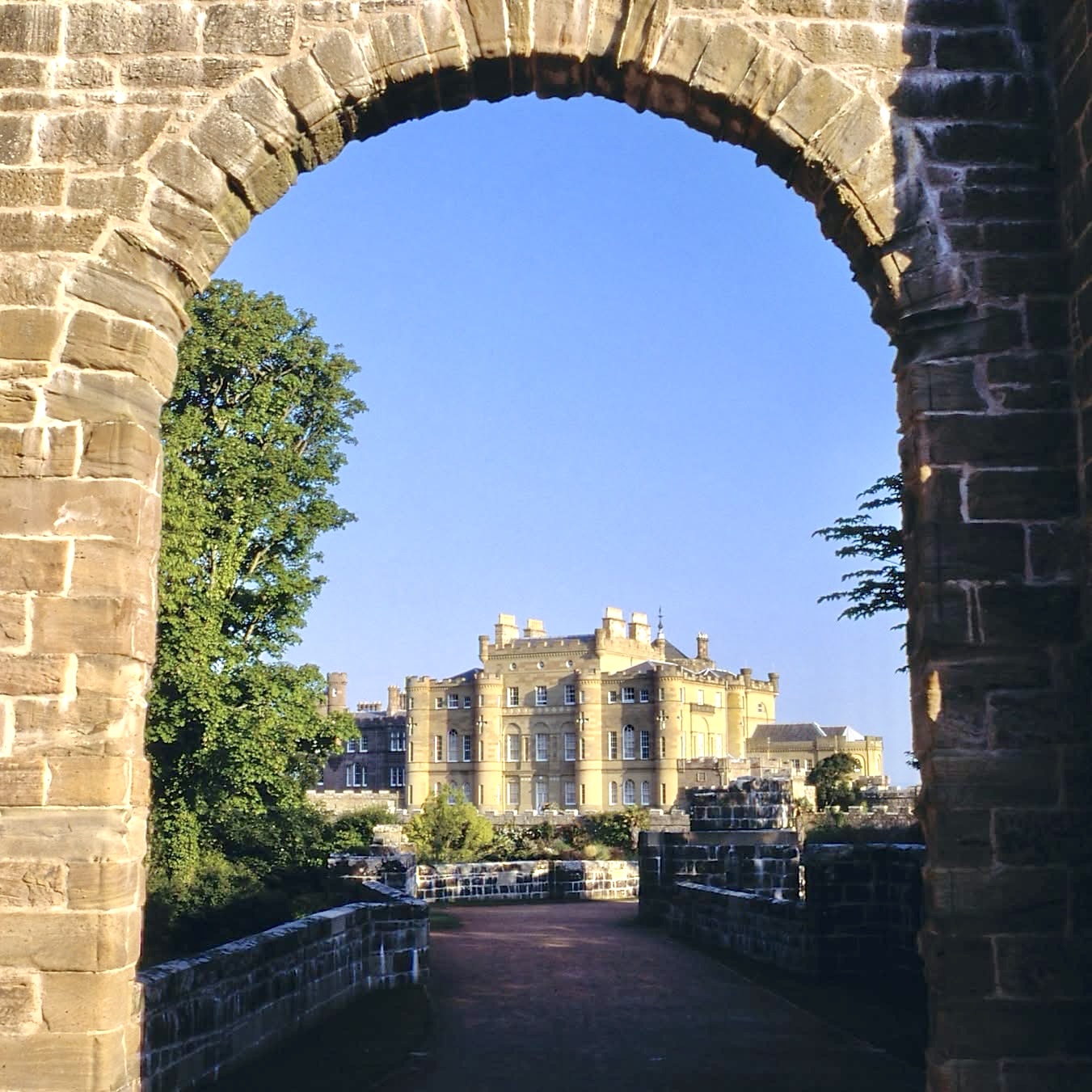
Scotland is home to more castles per square mile than almost anywhere else in the world. And unlike many countries, a genuine number of them come to market, from fully restored family seats to ambitious restoration projects. For the right buyer, owning a piece of Scottish history is a realistic proposition, not a fantasy. Here's what buying one actually involves.
What counts as a 'Scottish castle' on the market
The term covers a genuinely wide range: fortified medieval tower houses, baronial mansions built in the 19th-century revival style, and smaller peel towers, alongside a handful of larger, fully-staffed estates. Condition varies enormously, from meticulously maintained family homes to structures requiring substantial restoration. Understanding which category a property falls into, and the realistic cost of bringing it up to standard, is essential before falling in love with a listing.
What buyers should budget for beyond the purchase price
Historic and listed properties carry costs that don't apply to standard residential purchases. Listed building consent is required for most structural work, specialist contractors are often necessary for stonework, roofing and heating systems, and insurance for a category A or B listed building typically costs meaningfully more than for a standard home. Buyers should also factor in ongoing maintenance. Older stone buildings, however well restored, require continual upkeep.
Where Scotland's castles tend to be found
Castles and baronial properties are spread across Perthshire, Aberdeenshire, the Borders, Argyll and the Highlands, with concentrations reflecting historical clan territories and estate boundaries. Perthshire and Aberdeenshire in particular have a strong supply of restored properties with manageable grounds, while the Highlands and Argyll offer larger, more remote estates for buyers seeking genuine seclusion.
Land and grounds
Many castle purchases come with meaningful acreage: from a few acres of formal gardens to estates running into hundreds or thousands of acres including farmland, woodland or sporting rights (shooting, fishing, stalking). This land can be a genuine asset, generating income through let land, forestry or sporting tenancies, but it also brings its own management considerations that buyers should factor into their decision.
Why this market rewards a specialist buying agent
Castle and country estate transactions rarely resemble a standard residential purchase. Valuations are more subjective, the buyer pool is genuinely international and often discreet, and a meaningful share of the best properties change hands off-market through direct relationships rather than public listings. A search at this level benefits significantly from a buying agent already embedded in the country house and estate market, rather than relying on portal listings alone.
If you're considering a castle, country house or estate purchase in Scotland, Kingswell & Vale represents buyers exclusively, with the discretion and local relationships this market requires.
Related reading
Country Estates for Sale in Scotland · How to Buy a House in Scotland
Ready to discuss your property search?
Speak with a senior advisor in complete confidence. No obligation, no pressure.